
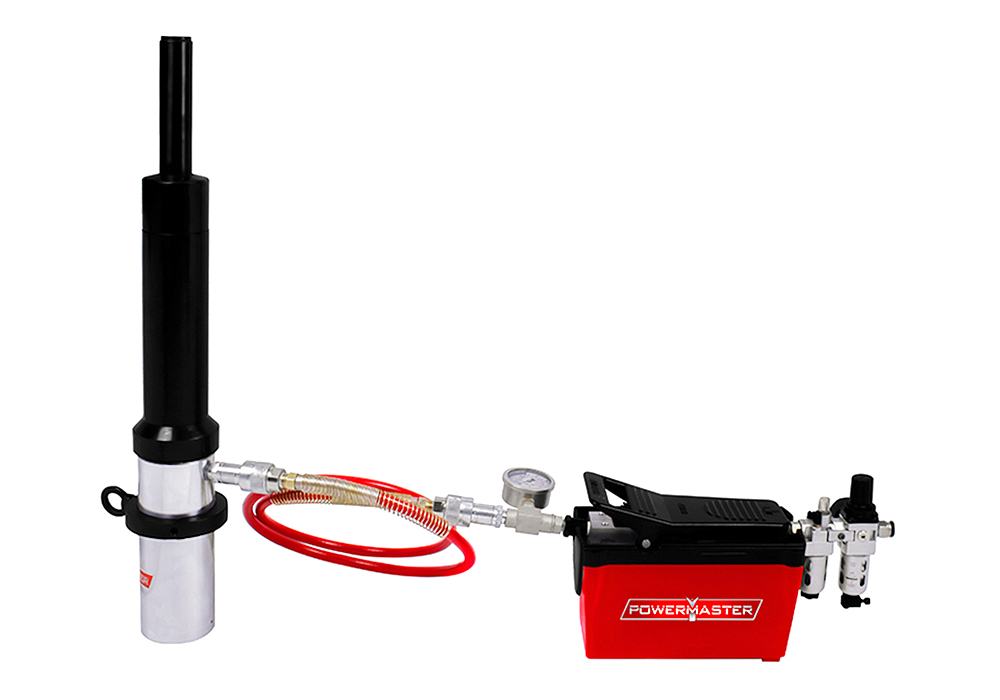
The maritime industry is a world of massive scale and extreme pressure where even a tiny broken part can halt a multi million dollar project. When a heavy duty bolt or a metal stud snaps off deep inside a ship engine or a structural hull plate it creates a major crisis for the maintenance team.
These broken remnants often called stubs can bring work to a complete standstill if they are not removed quickly and safely. To solve this problem modern maritime facilities rely on specialized tools that provide immense force without damaging the surrounding machinery.
The following guide is to explain why a stub puller is a vital requirement for any competitive shipyard operation.
The Role of Heavy Duty Force in Marine Maintenance
Marine environments are incredibly harsh on metal components because of constant exposure to salt water and extreme temperature changes. Over time bolts and fasteners become seized or corroded which makes them very prone to snapping during disassembly.
Using hydraulic stub pullers provides:
- Power to overcome the friction of a seized bolt.
- Ensures that the extraction process is smooth and predictable
- Shipyards can avoid the chaos of failed extraction attempts.
- Physical design and mobility of these tools are so important for workers in the field.
Benefits of Compact Design for Tight Ship Spaces
A high quality stub puller is designed to fit into the restricted zones while still delivering the same performance as much larger machinery. Explore few benefits of these hydraulic stub pullers:
Prevents Damage to Expensive Ship Components
One of the biggest risks in shipyard repair is causing secondary damage while trying to fix an initial problem. If a worker uses a torch or a heavy drill to remove a stub they might accidentally scar the surface of a cylinder head or ruin a flange. Replacing these large marine parts can cost thousands of dollars and add weeks to the repair schedule which is a nightmare for ship owners.
The precision offered by hydraulic stub pullers:
- Eliminates this risk by gripping the broken stud firmly and pulling it straight out.
- The force is applied directly to the stub.
- No sideways pressure that could crack or distort the surrounding metal.
This clean extraction method keeps the original threads intact and ready for a new bolt to be installed immediately.
Improves The Speed of Repair Operations
In the shipping world, every day a vessel spends in dry dock is a day it is not making money for the operator.
Integrating a stub puller into the standard toolkit allows for:
- Rapid response to these common mechanical failures.
- Handled in a fraction of the time with the right hydraulic assistance.
- Allows the shipyard to finish jobs ahead of schedule
- Take on more clients throughout the year.
Enhances Worker Safety During Extraction Tasks
Manual extraction of broken bolts is a dangerous job that often involves using heat or heavy striking tools in slippery environments.
The use of hydraulic stub pullers:
- Moves the heavy lifting from the human body to the machine.
- Technicians can focus on monitoring the process from a safe distance or position.
- Reduced chances of accidents.
- The job is done with the highest level of professional safety standards.
- Safety and productivity go hand in hand.
Long Term Cost Savings for Shipyard Owners
When a team uses hydraulic stub pullers they:
- Spend less time on each repair.
- Make fewer mistakes that lead to costly part replacements.
- Small savings on every job add up to a significant amount of money for the business.
Final Thoughts
The maritime industry will always face challenges with broken hardware and seized bolts due to the nature of the sea. Portable hydraulic stub pullers represent the best solution for these inevitable problems by combining power with precision and ease of use.
By choosing a high quality stub puller shipyards can protect their equipment and keep their workers safe while maintaining a fast repair schedule. Ultimately these tools are not just a convenience but a fundamental part of modern engineering success on the waterfront.