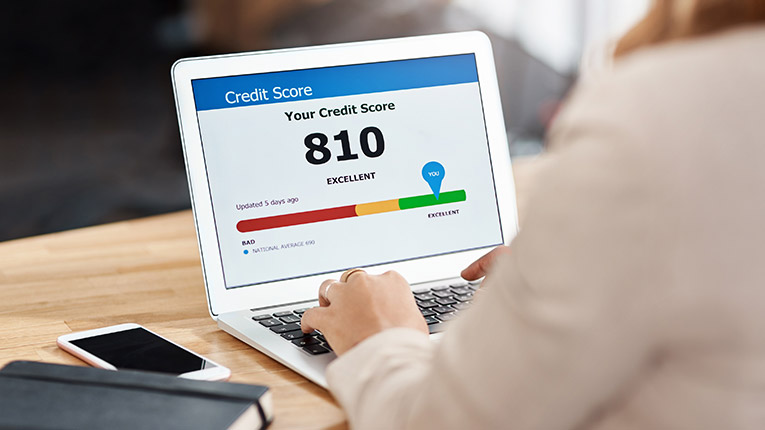
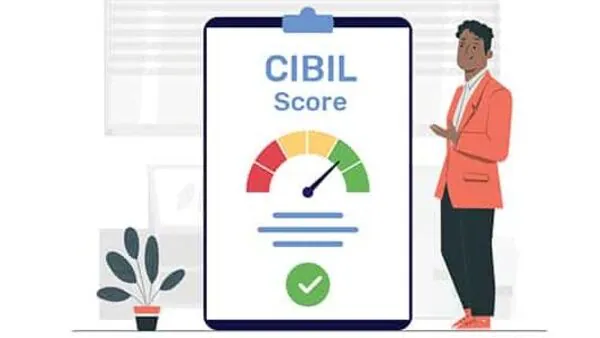
Your CIBIL score, also referred to as your credit score, is a vital component of your financial health. Whether you are applying for a loan, a credit card, or any type of credit product, lenders look at this score to assess your creditworthiness. A good CIBIL score increases your chances of credit approval and can also help you secure better interest rates and terms.
In this article, we will explore what constitutes a good CIBIL score, its significance, and actionable steps on how to increase your CIBIL score quickly.
What Is a CIBIL Score?
A CIBIL score is a three-digit number that ranges between 300 and 900, assigned by the Credit Information Bureau (India) Limited (CIBIL). This score reflects your credit history and repayment behavior. It helps lenders evaluate the risk of lending money to you. A higher score indicates responsible financial behavior, making it easier for you to access credit and achieve a good CIBIL score.
What Is a Good CIBIL Score?
A CIBIL score can be categorized as follows:
300–599: Poor
A score in this range is considered poor, indicating defaults or irregularities in past payments. Getting approved for loans or credit cards with this score can be extremely challenging.
600–699: Fair
This range suggests that although you’ve had some credit issues, you are making an effort to improve. However, lenders may still consider you a risky borrower.
700–749: Good
A score in this range demonstrates good credit behavior, though there is still room for improvement. It is easier to secure loans and credit cards with this score, albeit not necessarily on the best terms.
750–900: Excellent
A score above 750 is considered excellent and shows consistent financial discipline. Borrowers with this score are attractive to lenders and can negotiate the best terms and interest rates.
In summary, a good CIBIL score starts from 700, while a score of 750 or above is ideal to get quick approvals and favorable loan terms.
Why Is a Good CIBIL Score Important?
A good CIBIL score offers numerous financial advantages:
1. Quick Loan Approvals
Financial institutions prioritize borrowers with a high credit score when approving loans. The higher your score, the faster your approval process.
2. Lower Interest Rates
A good CIBIL score can help you negotiate lower interest rates on loans, saving you money in the long run.
3. Higher Credit Limits
Credit card issuers often reward high credit scores with higher credit limits, giving you greater financial flexibility.
4. Better Terms & Perks
A good credit score allows you to secure loans with extended tenures, better repayment terms, or additional benefits.
5. Pre-Approved Credit Offers
Banks and financial institutions often extend pre-approved loan and card offers to individuals with excellent credit scores.
In short, achieving and maintaining a good CIBIL score can enhance your overall financial standing and make it easier to achieve your life goals.
How to Increase CIBIL Score Quickly
Now that we understand the significance of a good CIBIL score, let’s delve into actionable steps on how to increase your CIBIL score quickly and understand how to increase CIBIL score effectively.
1. Pay Your Bills on Time
Timely payment of credit card bills, loan EMIs, and utility bills is critical in achieving a good CIBIL score. Lenders view your repayment history as an indicator of your financial responsibility.
Tip: Set up automatic payments or reminders to ensure you never miss a due date.
2. Limit Your Credit Utilization
Credit utilization is the amount you spend out of your total available credit limit. High credit utilization (above 30%) can signal financial distress and negatively affect your credit score.
Tip: Aim to keep your credit card utilization below 30% of your total credit limit. For example, if your credit limit is ₹1,00,000, try to keep your spending below ₹30,000.
3. Diversify Your Credit Portfolio
A healthy mix of secured loans (like home loans) and unsecured loans (like credit cards) can help you build a good CIBIL score. It demonstrates to lenders that you are capable of handling different types of debt.
Tip: Avoid relying entirely on one type of credit and consider adding a healthy mix of credit products.
4. Avoid Applying for Too Much Credit
Applying for multiple loans or credit cards in a short period can lead to multiple hard inquiries on your CIBIL report. Frequent inquiries signal credit-hungry behavior, which lenders may consider risky.
Tip: Space out your credit applications and only apply for credit when necessary.
5. Correct Errors in Your CIBIL Report
Errors in your CIBIL report, such as incorrect personal details, duplicate accounts, or inaccurate outstanding balances, can unfairly affect your score.
Tip: Regularly check your CIBIL report and raise disputes for any errors through the CIBIL website.
6. Close Unused Credit Accounts
Having too many open credit cards or accounts can hurt your credit score, especially if these accounts are not being managed well. Closing unused accounts helps streamline your credit profile.
Tip: Close accounts that you no longer use, but keep older active accounts open as they contribute positively to your credit history.
7. Avoid Defaults and Late Payments at All Costs
Defaults, late payments, and collections remain on your credit report for years, significantly lowering your CIBIL score in the process.
Tip: If you’re in financial trouble, contact your lender to restructure your repayments instead of defaulting.
8. Don’t Settle Accounts
Settling accounts for less than the full outstanding amount negatively impacts your credit score. While it may seem like a quick way to get out of debt, the “settled” status in your report serves as a warning sign for future lenders.
Tip: Always try to pay the entire outstanding amount, if possible.
9. Increase Your Credit Limit
If you frequently utilize a significant portion of your credit limit, request an increase. A higher credit limit can reduce your credit utilization ratio, thereby positively contributing to your score.
Tip: Request an increase only if you deeply trust your financial discipline to manage higher credit limits wisely.
10. Be Patient and Consistent
Improving your CIBIL score takes time, especially if it’s currently low. However, consistently following good credit practices will create a lasting positive impact.
Tip: Regular habits like paying on time, keeping credit utilization low, and monitoring your credit report will gradually increase your score.
How Long Does It Take to Improve a CIBIL Score?
Improving your CIBIL score is not an overnight process. On average, it can take 6 to 12 months of consistent good financial behavior to see significant differences in your score. The speed of improvement depends on the severity of your credit issues, how long they persisted, and how diligently you follow best practices.
For quicker results, consider avoiding new debt and clearing outstanding dues as soon as possible. Limiting your credit card utilization and correcting errors in your credit report can also lead to faster improvements.
Common Myths About CIBIL Scores
1. Myth: Checking your own CIBIL score will hurt your credit score.
Truth: Checking your own score through a soft inquiry does not impact it.
2. Myth: Closing a credit card will always help your CIBIL score.
Truth: Closing an old credit card can reduce the average age of your credit history, which may lower your score.
3. Myth: A credit score below 750 means you cannot get a loan.
Truth: While harder, it is still possible to get approved for loans with a lower score, albeit with higher interest rates.
Conclusion
A good CIBIL score plays an essential role in your financial stability and growth. A score of 750 or above opens doors to better financial opportunities, quick approvals, and favorable terms. By adopting consistent financial habits—paying bills on time, keeping credit utilization low, diversifying your credit profile, and correcting errors in your credit report—you can attain a good CIBIL score over time.
Remember, improving your CIBIL score takes patience and discipline. With the right strategies and persistent efforts, you can achieve a high score and unlock a world of financial benefits. Take charge of your credit health today—it’s a step towards a secure and prosperous future!