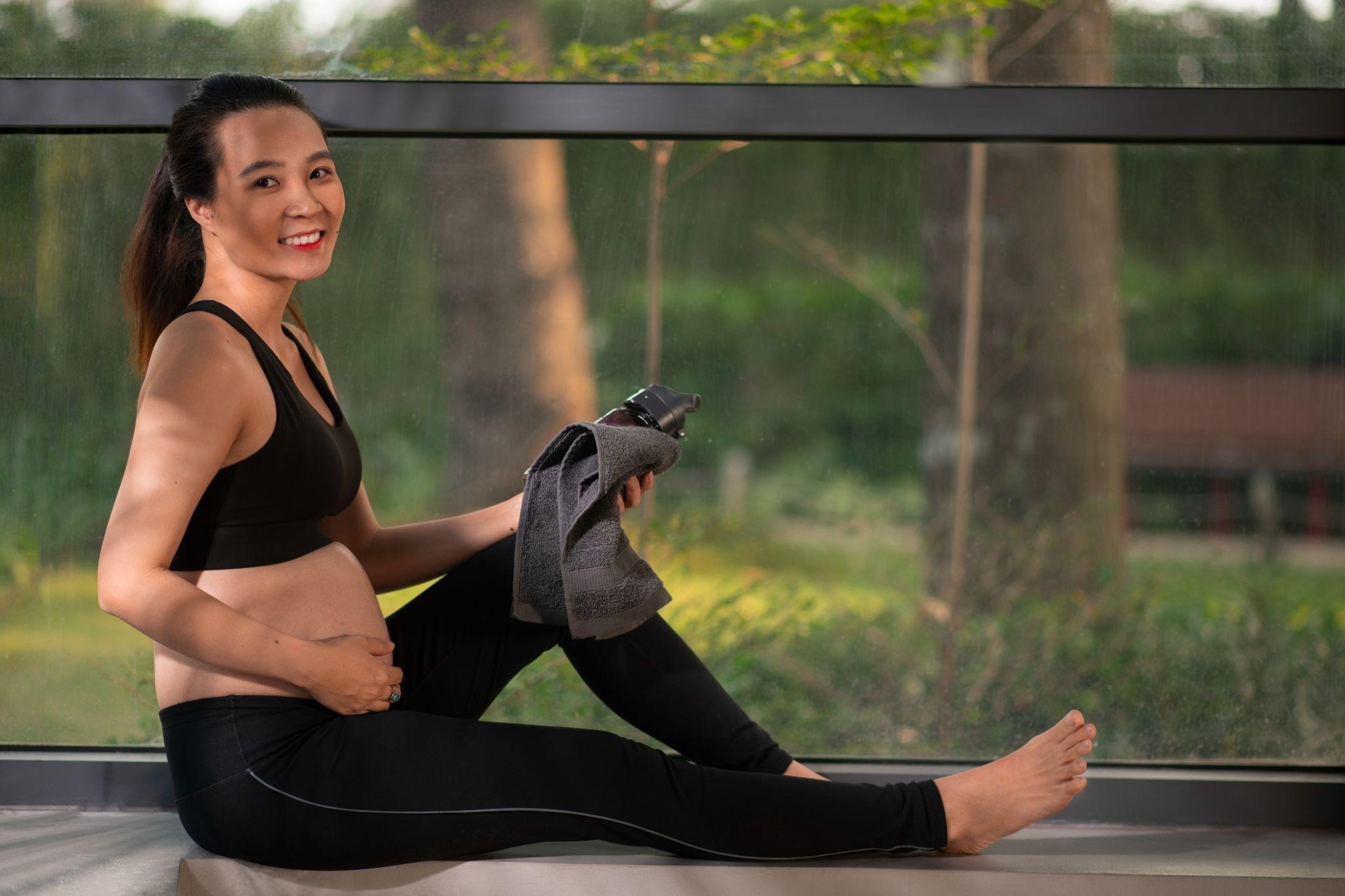
The journey after childbirth brings immense joy, but it can also present physical challenges. Many new mothers seek ways to regain strength, tone muscles, and shed excess weight safely. Postpartum bodies undergo significant changes, including hormonal shifts, stretched abdominal muscles, and altered metabolism. Approaching post-pregnancy fitness requires understanding these changes and choosing workouts designed specifically for new mothers. Working with a post pregnancy weight loss trainer can provide structured guidance, prevent injury, and ensure sustainable results.
Understanding Postpartum Changes
Pregnancy and childbirth affect every part of the body. Ligaments and joints may remain loose for months due to hormonal changes, while the core and pelvic floor muscles can weaken. Fat stores accumulated during pregnancy may linger, and energy levels can fluctuate due to sleep deprivation and the demands of breastfeeding. Recognizing these factors is essential for setting realistic post-pregnancy weight loss goals.
A professional postpartum exercise trainer can evaluate a new mother’s physical condition and tailor workouts to her unique needs. This personalized approach minimizes the risk of injury and addresses areas that require gentle strengthening, such as the core and lower back.
Benefits of Postpartum Exercise
Engaging in safe, targeted exercise after childbirth has multiple benefits:
- Weight Management: Structured workouts can accelerate the loss of excess fat without compromising health.
- Muscle Recovery: Gentle strength training helps rebuild the abdominal, back, and pelvic muscles.
- Mental Health: Exercise stimulates endorphin release, reducing stress and supporting mood stabilization.
- Improved Posture: Core and back exercises restore alignment affected by pregnancy-related postural changes.
- Energy Boost: Regular activity combats fatigue and enhances overall stamina.
By consulting a post pregnancy weight loss trainer, mothers gain access to exercises that maximize these benefits while staying safe.
Key Principles for Safe Post-Pregnancy Workouts
When starting a postpartum fitness routine, certain principles ensure safety and effectiveness:
- Start Slow: Begin with low-impact activities like walking, gentle stretching, or pelvic floor exercises.
- Focus on Core and Pelvic Floor: These muscles support internal organs and improve posture. Exercises like pelvic tilts, bridges, and modified planks are essential.
- Prioritize Form Over Intensity: Proper technique prevents strain, particularly in the back and joints.
- Include Strength Training: Gradually incorporating resistance exercises rebuilds muscle strength and enhances metabolism.
- Listen to Your Body: Any pain, bleeding, or dizziness is a signal to stop and consult a healthcare provider.
A Certified postpartum exercise trainer Dubai is skilled in designing programs that respect these principles while helping mothers achieve fitness goals efficiently.
Types of Workouts Recommended
A combination of cardiovascular, strength, and flexibility exercises ensures comprehensive postpartum fitness.
1. Low-Impact Cardio
Activities like brisk walking, stationary cycling, or water aerobics gently elevate the heart rate. Low-impact cardio aids in fat burning while minimizing stress on joints. Post-pregnancy weight-loss trainers often incorporate interval techniques to make workouts more effective without increasing intensity beyond safe limits.
2. Strength Training
Rebuilding muscle tone is critical for regaining body shape and functional strength. Exercises using bodyweight, resistance bands, or light weights target areas like the arms, legs, and glutes. Strength training also enhances metabolic rate, supporting long-term weight management.
3. Core and Pelvic Floor Exercises
The core includes not just the abdominal muscles, but also deep stabilizing muscles and the pelvic floor. Exercises like bridges, bird dogs, and controlled planks improve strength and stability. Trainers carefully modify intensity to prevent diastasis recti or pelvic discomfort.
4. Flexibility and Mobility Work
Stretching routines, yoga, and Pilates improve flexibility and reduce postural tension. These exercises help mothers feel more agile and relaxed, contributing to both physical recovery and mental well-being.
5. Functional Movement Training
Post-pregnancy fitness also focuses on movements used in daily life, such as lifting, bending, and squatting. Functional training reduces the risk of strain during childcare and household activities.
Creating a Structured Program
A successful postpartum fitness program balances intensity, frequency, and variety. Postpartum exercise trainers typically follow a phased approach:
- Initial Assessment: Evaluate core strength, posture, mobility, and overall fitness.
- Phase 1 – Recovery and Mobility: Gentle movements restore muscle function and joint stability.
- Phase 2 – Strength Building: Gradual resistance exercises improve muscle tone.
- Phase 3 – Cardiovascular Conditioning: Low-impact cardio is increased to enhance endurance and promote fat loss.
- Phase 4 – Full-Body Integration: A combination of functional exercises, strength, and cardio for overall fitness.
Regular reassessment ensures the program evolves alongside the mother’s progress.
Nutrition and Lifestyle Considerations
Exercise alone is not enough for postpartum weight management. Adequate nutrition and hydration support recovery and energy levels. Key recommendations include:
- Consuming balanced meals with protein, complex carbs, and healthy fats.
- Staying hydrated, especially if breastfeeding.
- Avoiding extreme diets or calorie restriction, which can impact milk supply and energy.
Trainers often collaborate with nutritionists to align diet plans with workout regimens, providing holistic support for new mothers.
Overcoming Common Challenges
New mothers face challenges like sleep deprivation, lack of time, and postpartum mood changes. Solutions include:
- Short, Focused Sessions: Even 20–30 minutes of exercise can be effective.
- Home-Based Workouts: Reduce barriers related to travel or childcare.
- Flexible Scheduling: Trainers adapt sessions around family commitments.
- Support and Motivation: Guidance from a professional helps maintain consistency.
By integrating professional support, mothers can overcome obstacles without feeling overwhelmed.
Safety Tips and Precautions
Before starting any exercise program after childbirth, it is important to:
- Get medical clearance from a healthcare provider.
- Avoid high-impact exercises until cleared by a professional.
- Monitor for unusual pain, swelling, or bleeding.
- Progress gradually and avoid comparing with pre-pregnancy fitness levels.
Certified post-pregnancy weight-loss trainers provide supervised sessions that emphasize safety while pushing progress gradually.
Conclusion
Recovering after childbirth is a unique journey for every mother. Safe, structured, and personalized workouts, guided by a post pregnancy weight loss trainer, can support effective weight loss, strengthen muscles, and improve overall wellness. A professional approach ensures that every exercise aligns with postpartum needs while fostering long-term healthy habits. With consistent effort, new mothers can regain strength, energy, and confidence while prioritizing safety and recovery.
With consistent effort and proper guidance, new mothers can safely regain strength and confidence. WeTrain offers flexible home-based personal training services in Dubai, specializing in post-pregnancy and pre/postnatal programs. Their certified trainers create personalized workouts, guide safe recovery, and support sustainable fitness goals for mothers. Every session prioritizes convenience, safety, and measurable progress, ensuring a balanced approach to postpartum health and effective weight loss.