
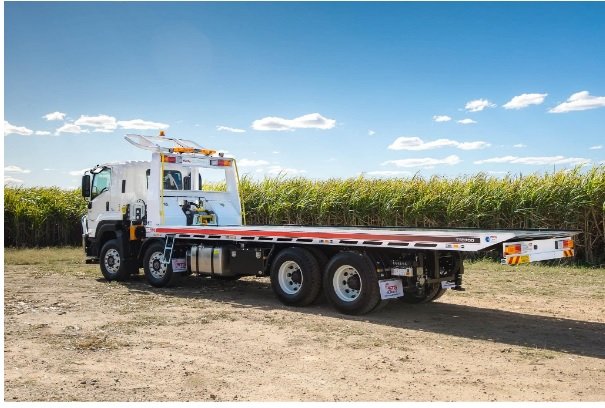
Growth in the towing industry brings new opportunities, but it also changes what operators need from their equipment. A truck that handles everyday breakdowns may not be suitable for transporting larger vehicles, machinery or specialist equipment as customer demands expand. Choosing the right tilt tray tow truck is therefore an important business decision, particularly for operators looking to increase their service capabilities without compromising efficiency or safety.
A well-configured truck can help a towing business take on a wider range of jobs, manage demanding recoveries and make better use of its operating hours. The key is to look beyond the initial purchase price and understand how the vehicle will perform across different working conditions.
Assess Your Current and Future Towing Requirements
Before comparing truck configurations, consider the type of work your business handles most frequently. Some operators primarily transport passenger vehicles, while others regularly recover commercial vehicles, damaged vehicles, machinery and specialist equipment.
These requirements influence the platform dimensions, loading arrangements, carrying capacity and supporting equipment needed.
It is also worth considering where the business intends to grow. An operator planning to expand into commercial vehicle transport may need a different setup from one focusing on roadside assistance and local vehicle recovery.
Choosing equipment around anticipated demand can prevent the need for costly modifications or an early replacement.
Understand Payload Capacity and Truck Specifications
Payload capacity is one of the most important considerations when selecting a tilt slide tow truck. A truck may appear suitable based on its advertised carrying capacity, but the actual usable payload needs to account for the complete operating configuration.
Consider the weight of the truck body, hydraulic equipment, winches, accessories, fuel and other permanently fitted components. These all contribute to the vehicle’s operating mass and affect how much weight can legally and safely be carried.
Operators should assess Gross Vehicle Mass (GVM), axle ratings and Gross Combination Mass (GCM), where applicable. The loaded vehicle must remain within its relevant manufacturer ratings and regulatory limits. The National Heavy Vehicle Regulator (NHVR) provides guidance on mass and dimension requirements for heavy vehicles.
Selecting an appropriate chassis and platform combination from the outset helps ensure the truck is suited to its intended workload.
Look at Deck Design and Hydraulic Performance
The deck is central to how a tilt slide tow truck operates. Its dimensions, construction and movement determine the types of vehicles that can be loaded and transported efficiently.
A hydraulic tilting and sliding platform allow operators to create a loading angle that supports controlled vehicle recovery. This is particularly useful when dealing with low-clearance vehicles, non-running cars and equipment that cannot be driven onto the deck.
When assessing deck design, consider:
- Platform dimensions: Ensure the usable deck length and width accommodate the vehicles and equipment you expect to transport.
- Hydraulic operation: Look for a system suited to the frequency and demands of your daily work.
- Surface and construction: Durable materials and appropriate surface treatments help support regular commercial use.
- Winch configuration: Check that the winch capacity and positioning suit the loads and recovery situations involved.
A properly engineered setup makes loading more practical while supporting consistent performance over time.
Prioritise Safety and Load Restraint
A growing workload should never come at the expense of safe operating practices. A tow truck must be configured to handle its intended loads, with suitable securing points, rated restraints and compatible lifting equipment.
Pay attention to the quality of mounting arrangements, hydraulic components, winches and securing systems. Equipment ratings must match the intended application, and operators should understand the relevant inspection and certification requirements.
In Australia, Vehicle Standards Bulletin 6, Section T, outlines requirements relating to tow truck modifications and equipment. Operators should also check applicable state and territory requirements, as well as relevant NHVR mass, dimension and loading provisions.
Safety should be considered during the design and purchasing process, rather than treated as an addition after the truck has been built.
Consider Customisation and Long-Term Support
Not every towing business operates in the same way. A standard configuration may suit some operators, while others need additional storage, specialised mounting arrangements, particular deck dimensions or equipment suited to specific recovery work.
Working with an experienced custom truck and equipment manufacturer can help businesses develop a configuration around their operational requirements. This may include tailored platform specifications, hydraulic arrangements, winch integration and practical storage solutions.
It is equally important to consider ongoing maintenance and access to technical support. Hydraulic systems, winches and moving components require regular inspection and servicing. A design that allows practical access to serviceable components can make routine maintenance easier.
Make an Investment That Supports Business Growth
The right tow truck should support both current operations and the direction in which the business is heading. Comparing purchase costs alone overlooks important considerations such as usable payload, equipment suitability, maintenance requirements and the range of jobs the vehicle can undertake.
Taking time to assess these factors helps towing operators make a more informed investment. With the right chassis, deck configuration, hydraulic system and safety equipment, a well-designed tilt slide tow truck can become a valuable part of a growing fleet.
Ultimately, the best choice is not necessarily the largest or most heavily equipped truck. It is the one that matches the business’s workload, meets applicable requirements and provides the flexibility to take on future opportunities.