Choosing goalkeeper gloves for a young player involves more than picking a suitable size. Children and teenagers are still developing their technique, confidence, and understanding of the position, so their equipment should feel comfortable and allow natural hand movement.
A well chosen pair of gloves can help young goalkeepers feel more confident when catching, blocking, and handling the ball. The right combination of fit, grip, flexibility, and comfort can also make regular training more enjoyable.
Why the Right Gloves Matter for Young Players
Goalkeeping requires quick reactions and good hand control. Young players need to learn how to position their hands, catch the ball correctly, and respond quickly when shots come toward them.
Gloves that fit properly can support this learning process. If gloves are too large, the player may struggle to control the ball. If they are too tight, movement can become uncomfortable.
Parents and coaches should therefore consider hand size and playing requirements when helping a young goalkeeper choose equipment.
Understanding Negative Cut Gloves
Negative cut gloves are known for their close fitting construction. The design can provide a snug feel around the hand and may appeal to players who prefer a more direct connection with the ball.
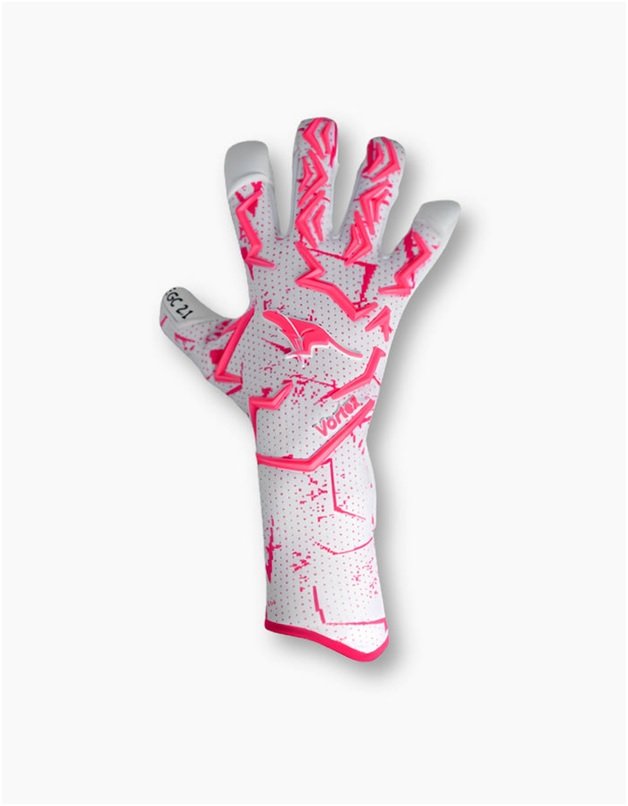
For developing players, negative cut junior goalkeeper gloves can be an option when a close fit and good finger movement are important. The final choice should always take the player’s hand size, comfort, and playing needs into account.
A glove should feel secure without restricting normal finger movement. Trying the correct size and checking the fit can make a noticeable difference.
The Importance of Grip
Grip is one of the first features many goalkeepers consider. A goalkeeper needs to catch the ball securely and maintain control during different situations.
The performance of a glove palm can depend on several factors, including weather, ball condition, and the playing surface. Proper glove care can also help maintain the condition of the palm.
Young players should learn basic glove care from the beginning. Keeping gloves clean and storing them correctly can help preserve their condition for longer.
Finding a Comfortable Fit
Comfort is especially important for young goalkeepers because they may spend several hours each week training. Gloves that feel natural can help players focus on improving technique rather than adjusting their equipment.
The fingers should have enough space for movement without excessive room at the fingertips. The wrist area should also feel secure without causing discomfort.
Parents can check sizing information before purchasing and compare measurements with the manufacturer’s recommendations.
Choosing Gloves for Training and Matches
Young goalkeepers may use their gloves in different settings. Training sessions can involve repeated catching exercises, diving practice, handling drills, and shooting practice. Match situations may demand quick reactions and consistent ball control.
The glove selected should be appropriate for how the player normally trains and competes. Some players may prefer a softer feel, while others may place greater importance on flexibility or grip.
Understanding these preferences can make the buying process more straightforward.
What Makes Junior Goalie Gloves Useful
Junior goalie gloves are designed with younger players in mind, taking into consideration their smaller hands and developing needs.
A suitable pair should provide a secure fit while allowing the fingers and wrist to move naturally. Young goalkeepers should also be able to put on and remove their gloves without unnecessary difficulty.
The goal is to give players equipment that supports their development without making the game feel more complicated.
Considering Playing Conditions
Playing conditions can influence how goalkeeper gloves perform. Outdoor matches may involve changing weather, while indoor training can provide a different environment.
Parents and players should think about where the gloves will be used most often. This can help them choose an option that suits their regular activities.
For players who prefer a close fitting design, negative cut junior goalkeeper gloves may provide the type of feel they are looking for while learning and developing their goalkeeping skills.
Supporting Confidence on the Field
Confidence is an important part of goalkeeping. A young player needs to trust their hands and feel comfortable when facing shots from teammates or opponents.
Making a Sensible Choice
There is no single glove that will suit every young goalkeeper. Hand size, experience, playing conditions, preferred fit, and personal comfort should all be considered.
Parents and coaches can make the process easier by discussing the player’s needs and checking the glove specifications carefully. A glove that feels comfortable and supports natural movement can help a young goalkeeper concentrate on learning, practising, and enjoying the game.
With the right equipment and consistent training, young players can continue developing their skills while building confidence in one of the most demanding positions on the field.