What if the materials used in buildings, machines, and infrastructure could directly decide how long they last, how good they look, and how much maintenance they require over time? In modern industries, this is no longer a theoretical idea but a practical reality shaping every major project.
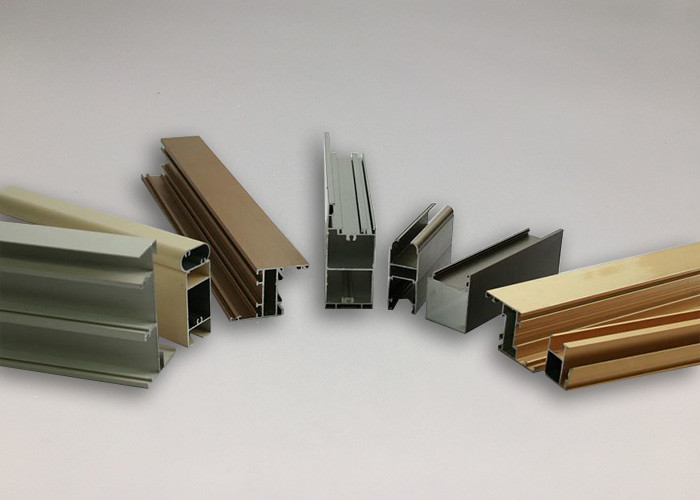
Across construction, manufacturing, energy, and transportation sectors, there is increasing demand for materials that perform reliably under pressure while maintaining a refined finish. This is where powder coated aluminium extrusions are playing a key role, becoming a preferred choice in global applications where performance, durability, and design flexibility all matter. For architects, engineers, and project planners, this means fewer maintenance concerns, better structural reliability, and improved long-term cost efficiency.
The real strength of these solutions is their ability to combine engineering precision with aesthetic flexibility, allowing industries to achieve both strength and appearance in a single material system.
Importance of Advanced Aluminium Finishing
Aluminium is widely valued for its lightweight structure, corrosion resistance, and versatility, but without proper finishing, it can lose performance over time when exposed to moisture, pollution, UV rays, and temperature changes.
Advanced finishing helps preserve both its mechanical strength and surface quality for long periods, which is especially important in large infrastructure projects where repairs or replacements are costly and disruptive. It reduces degradation, prevents oxidation, and maintains a consistent appearance even after years of exposure.
Beyond protection, finishing also improves design consistency. In modern architecture, uniform surface quality ensures a cohesive, professional look across large installations, ultimately enhancing visual appeal, brand value, and structural reliability.
Role of Powder Coating in Modern Applications
Powder coating has become one of the most widely adopted finishing technologies in the aluminium industry due to its efficiency, durability, and environmental advantages. The process involves applying a dry powder electrostatically to aluminium surfaces, which is then cured under heat to form a strong, uniform coating layer.
In today’s industrial ecosystem, aluminium powder coating is not just a finishing method but a performance-enhancing process. It significantly improves resistance to corrosion, physical wear, and environmental damage while also allowing manufacturers to achieve highly customisable surface finishes.
Key advantages include the following:
- High resistance to corrosion, scratches, and fading even in extreme climates
- Wide selection of colors, textures, and finishes for design flexibility
- Environment-friendly process with minimal volatile emissions
- Strong adhesion ensuring long-term surface stability
- Suitable for both architectural and heavy industrial applications
These benefits make powder coating a preferred choice for industries that require a balance between durability, sustainability, and visual appeal.
Industrial and Architectural Applications
The demand for advanced aluminium finishing solutions has grown as industries shift toward more efficient construction and manufacturing practices. Aluminium now plays a key role in both structural and design-driven applications.
In construction, it is widely used for façades, curtain walls, window systems, and cladding where strength and appearance are equally important. In transportation, it supports lightweight components that enhance performance and efficiency. The energy sector uses aluminium for solar frames and outdoor mounting systems that require long-term durability.
Electrical and HVAC applications also rely on aluminium for its heat resistance, corrosion protection, and structural strength. Across all sectors, surface finishing remains essential for ensuring durability, safety, and long-term reliability.
Design Flexibility and Engineering Precision
One of the most significant advantages of modern aluminium systems is their ability to support highly customised engineering solutions. Manufacturers can design and produce complex profiles that meet specific functional and architectural requirements without compromising strength or durability.
This level of flexibility allows industries to innovate continuously while maintaining efficiency in production. It also enables better integration of mechanical, structural, and aesthetic requirements within a single material system. As a result, aluminium has become a core material in modern engineering design strategies.
Environmental and Sustainability Benefits
Sustainability is now a central priority across global industries, and aluminium finishing technologies are evolving to support environmentally responsible manufacturing practices. Modern coating processes are designed to reduce waste, minimise emissions, and improve overall energy efficiency.
One of the major strengths of aluminium as a material is its recyclability. It can be reused multiple times without losing its structural or mechanical properties, making it a highly sustainable choice for long-term applications.
Key sustainability advantages include the following:
- Lower environmental emissions during coating and production processes
- Reduced material wastage due to precise application techniques
- Extended product lifecycle reducing replacement frequency and cost
- Full recyclability of aluminium without degradation in quality
- Energy-efficient manufacturing systems that reduce overall consumption
These factors collectively make aluminium a preferred material for green building initiatives and sustainable infrastructure development worldwide.
Quality Control and Performance Standards
In global applications, consistency and reliability are non-negotiable. Aluminium products undergo strict quality control processes to ensure they meet industry standards and perform reliably under varying environmental conditions.
Testing procedures typically include corrosion resistance evaluation, coating adhesion strength tests, surface uniformity inspection, and mechanical durability assessments. These checks ensure that each product can withstand real-world operational challenges without failure.
In large-scale projects, maintaining such high-quality standards is essential not only for performance but also for safety, compliance, and long-term cost efficiency. It ensures that aluminium components deliver predictable and reliable outcomes throughout their lifecycle.
Future Trends in Aluminium Finishing
The aluminium industry is undergoing continuous transformation driven by technological innovation and sustainability goals. Automation, digital manufacturing, and smart material technologies are reshaping how aluminium products are designed and produced.
Future advancements are expected to focus on improving efficiency, reducing environmental impact, and enhancing material performance. Smart coatings with self-protecting properties, AI-driven quality control systems and fully automated extrusion and finishing lines are becoming increasingly relevant in modern manufacturing environments.
As industries move toward more intelligent and sustainable solutions, aluminium will continue to evolve as a key material supporting innovation across sectors.
Conclusion
Advanced aluminium finishing technologies are redefining how industries approach material performance, design flexibility, and sustainability. As global demand for high-quality infrastructure and industrial solutions continues to grow, innovations like powder coating and precision extrusion processes are becoming essential components of modern engineering.
These technologies not only extend the lifespan and functionality of aluminium products but also contribute to more sustainable and efficient production systems. With their ability to combine strength, aesthetics, and environmental responsibility, aluminium solutions will remain central to the future of global industrial and architectural development.
Growing industrial needs require strong and reliable aluminium solutions. JM Aluminium is a manufacturer of aluminium extrusion products, delivering durable and precision-made profiles for industrial and architectural applications.