
Pets are cherished members of the family, and their health and well-being remain a top priority for every pet owner. When a pet shows signs of discomfort or illness, timely diagnosis and effective treatment become essential to prevent complications and ensure a quick recovery. Advanced veterinary procedures have made it easier to identify internal health issues with precision and minimal discomfort. For pet owners seeking clarity on treatment options, understanding the pet stomach endoscopy cost plays a crucial role in making informed and confident decisions about their pet’s care, while also helping them plan ahead for any necessary medical interventions.
Modern veterinary clinics now offer specialized diagnostic tools that ensure early detection and accurate treatment planning. Awareness of the pet stomach endoscopy cost helps pet owners prepare financially while ensuring their pets receive the highest standard of care. With the right veterinary support and timely intervention, pets can transition smoothly from diagnosis to recovery, leading to healthier, safer, and happier outcomes, while also improving their overall quality of life in the long run.
Pet Stomach Endoscopy Cost: Understanding Value in Advanced Care
Understanding the pet stomach endoscopy cost helps pet owners make informed decisions while ensuring their pets receive accurate diagnosis and effective treatment.
1. What is Pet Stomach Endoscopy?
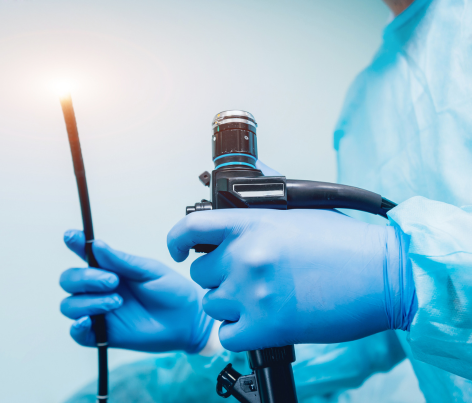
Pet stomach endoscopy is a minimally invasive procedure used to examine the digestive tract. It involves inserting a flexible tube with a camera into the pet’s stomach to detect abnormalities. This advanced diagnostic method helps veterinarians identify issues such as inflammation, blockages, or foreign objects without the need for major surgery, making it a safe and efficient option for pets.
2. Factors Influencing the Cost
The pet stomach endoscopy cost can vary depending on several factors, including the clinic’s facilities, the complexity of the case, and the pet’s size. Additional services such as anesthesia, laboratory tests, and follow-up care can also impact the total cost. Understanding these factors allows pet owners to plan effectively while ensuring their pets receive comprehensive and high-quality treatment.
3. Benefits of Minimally Invasive Procedures
One of the key advantages of endoscopy is that it is minimally invasive. This means reduced pain, fewer complications, and faster recovery times for pets. Although the pet stomach endoscopy cost may seem significant, the benefits of avoiding major surgery and ensuring accurate diagnosis make it a valuable investment in a pet’s health and comfort.
4. Early Diagnosis and Better Outcomes
Early detection of digestive issues can significantly improve treatment outcomes. Endoscopy allows veterinarians to diagnose problems at an early stage, leading to timely intervention. This proactive approach not only enhances the chances of successful treatment but can also reduce long-term medical expenses by preventing complications.
5. Importance of Choosing the Right Clinic
Selecting a reputable veterinary clinic ensures that the procedure is performed safely and effectively. Experienced veterinarians and modern equipment play a vital role in achieving accurate results. Pet owners should prioritize quality care over cost alone to ensure their pets receive the best possible treatment and attention.
6. Preparing Your Pet for the Procedure
Proper preparation is essential for a successful endoscopy. Veterinarians typically recommend fasting and conducting preliminary tests before the procedure. Following these guidelines ensures accurate results and minimizes risks. Pet owners should work closely with their veterinarian to ensure their pet is comfortable and ready for the procedure.
Comprehensive Care from Diagnosis to Recovery
Supporting pets through diagnosis, treatment, and recovery requires a holistic approach that prioritizes comfort, care, and continuous monitoring.
1. Accurate Diagnosis with Advanced Tools
Modern veterinary clinics use advanced diagnostic tools to identify health issues with precision. From imaging technologies to endoscopic procedures, these tools help veterinarians understand the root cause of a pet’s condition. Accurate diagnosis is the first step toward effective treatment, ensuring that pets receive the care they need without unnecessary procedures or delays.
2. Personalized Treatment Plans
Every pet is unique, and treatment plans should reflect their specific needs. Veterinarians design personalized care plans based on the pet’s condition, age, and medical history. This tailored approach ensures that pets receive the most effective treatment while minimizing risks and promoting faster recovery.
3. Post-Procedure Monitoring
After undergoing a procedure, pets require close monitoring to ensure a smooth recovery. Veterinary teams provide detailed guidance on medication, diet, and activity levels. Regular follow-ups help track progress and address any concerns promptly, ensuring that pets heal comfortably and safely.
4. Nutritional Support for Recovery
Proper nutrition plays a vital role in a pet’s recovery process. Veterinarians often recommend specialized diets that support healing and improve overall health. Balanced nutrition helps strengthen the immune system and accelerates recovery, allowing pets to regain their energy and vitality.
5. Reducing Stress and Ensuring Comfort
Recovery can be stressful for pets, but creating a calm and supportive environment can make a significant difference. Pet owners should provide a quiet space, maintain a routine, and offer reassurance to their pets. This helps reduce anxiety and promotes faster healing, ensuring a positive recovery experience.
6. Long-Term Health Management
Even after recovery, ongoing care is essential to maintain a pet’s health. Regular check-ups, preventive care, and a balanced lifestyle help prevent future health issues. A proactive approach ensures that pets continue to thrive and enjoy a high quality of life.
Conclusion
For pet owners seeking expert care and guidance on pet endoscopy recovery in dubai, choosing a reliable veterinary clinic is essential. Proper post-procedure care, combined with professional expertise, ensures that pets recover safely and comfortably while regaining their strength and vitality. A well-structured recovery plan, including monitoring, nutrition, and follow-up consultations, plays a crucial role in helping pets heal effectively and avoid complications, ensuring a smoother transition back to their normal routines.
Pet Point Veterinary Clinic is dedicated to providing comprehensive veterinary care, from diagnosis to recovery. With a team of experienced professionals and advanced medical technology, the clinic ensures accurate diagnosis, effective treatment, and attentive post-procedure care. By prioritizing the health and well-being of every pet, Pet Point Veterinary Clinic supports a smooth recovery journey, helping pets return to their happy and active lives with confidence and comfort.