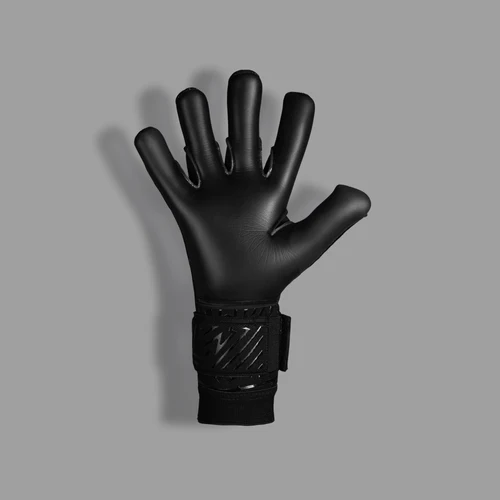
In football, the goalkeeper plays a unique and highly responsible role, requiring quick reflexes, strong hands, and reliable equipment. Among all gear, the gloves of goalkeeper are the most essential because they directly impact grip, protection, and ball control. Whether playing at a school level or in competitive matches, having the right gloves can significantly improve a goalkeeper’s confidence and performance on the field.
Goalkeeper gloves are designed with specialized materials that help players catch, hold, and deflect the ball effectively. High-quality latex palms are commonly used to provide excellent grip in both dry and wet conditions. This grip technology allows goalkeepers to maintain control even when facing powerful shots or playing in challenging weather. Additionally, modern gloves include cushioning layers that absorb impact, reducing stress on the hands during intense gameplay.
For young players, comfort and proper fit are especially important. Gloves that are too loose can reduce control, while overly tight gloves may cause discomfort and restrict hand movement. Junior goalkeepers need gloves that provide a snug yet flexible fit, allowing them to develop their skills with ease. Breathable mesh panels are often added to keep hands cool and prevent sweat buildup during training sessions.
Another key factor for young players is safety. Many junior gloves include finger protection systems that help prevent injuries such as finger bending or hyperextension. These protective features are particularly useful for beginners who are still learning proper catching techniques. Wrist straps with adjustable closures also provide additional support and stability, ensuring the gloves remain secure during quick movements.
When parents or coaches look for equipment for young goalkeepers, choosing the junior goalkeeper gloves becomes a priority. The ideal gloves for juniors should offer a balance of grip quality, comfort, durability, and protection. Lightweight designs are often preferred because they allow better hand movement and faster reaction time. Durable stitching and reinforced palm areas are also important, as junior players frequently practice and may put extra wear on their gloves.
Durability is another major consideration when selecting gloves for young players. Since juniors often train regularly, their gloves must withstand repeated use on different surfaces like grass or artificial turf. High-quality materials and reinforced construction ensure that gloves last longer and maintain consistent performance over time.
Proper maintenance can also extend the life of goalkeeper gloves. Cleaning them after each use helps preserve grip quality, while storing them in a dry and ventilated area prevents damage. Teaching young players how to care for their gloves not only improves their equipment lifespan but also builds a sense of responsibility.
In conclusion, selecting the right gloves plays a vital role in a young goalkeeper’s development. By focusing on grip, comfort, protection, and durability, players can find gloves that support their learning and boost their confidence. The right pair not only enhances performance but also ensures safety, helping junior goalkeepers perform at their best during every match and training session.