Material handling requirements are evolving as warehouses, distribution centres, and industrial facilities seek more efficient ways to manage daily operations. Forklifts remain essential to these environments, but the choice of power source has become an increasingly important consideration. While diesel and LPG-powered forklifts have traditionally been used for heavy lifting, electric forklifts are gaining popularity due to their operational efficiency, quieter performance, and appropriateness for indoor applications.
The selection is no longer based solely on lifting capacity or buying price. Businesses must evaluate operational costs, workplace conditions, maintenance needs, and material handling demands. Understanding the distinctions between electric and traditional forklifts can assist organisations in selecting equipment that will provide real value throughout its working life.
Understanding the Difference Between Electric and Traditional Forklifts
The key distinction between these forklift classifications is how they are powered.
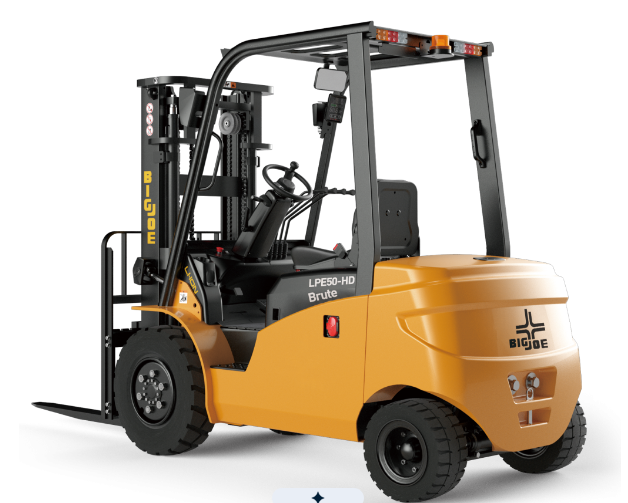
Electric forklifts run on rechargeable battery systems, most frequently lead-acid or lithium-ion batteries, to power an electric motor. They are best suited to indoor warehouses, retail distribution centres, and manufacturing facilities that require controlled operation and low emissions.
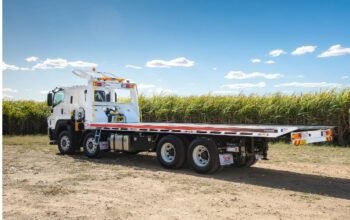
Traditional forklifts are generally defined as internal combustion engine (ICE) versions fuelled by diesel or LPG. These machines are frequently chosen for outdoor applications, heavier-duty activities, and locations where continuous usage or easy refilling is a need.
Both types play a role in modern material handling. The best option is determined by the operating environment, rather than assuming that one technology is appropriate for all applications.
Performance, Efficiency and Workplace Requirements
Electric forklifts have various operational advantages, especially in places where equipment is used for extended periods of periods indoors. Their electric motors enable smooth acceleration and accurate control, which is useful for moving through narrow warehouse aisles or handling items in busy areas. They also produce no pollution at the point of use and are often quieter than combustion-powered options.
These properties make them ideal for enclosed warehouses, food storage facilities, and distribution centres where indoor air quality and noise levels must be carefully monitored.
However, traditional forklifts continue to be useful. Diesel-powered machines are typically used for outdoor applications with uneven surfaces, heavy loads, and long running times. LPG-powered forklifts can also enable flexibility in certain indoor and outdoor applications, assuming ventilation and workplace safety criteria are met.
The operating environment is therefore a significant factor. A forklift that works well in an open loading yard may not be the best fit for a temperature-controlled warehouse or enclosed storage facility.
Comparing Operating Costs and Maintenance Requirements
The purchase price is only part of the total cost of owning a forklift. Businesses should also consider energy consumption, maintenance, replacement parts, battery needs, and equipment downtime.
Electric forklifts avoid several engine-related maintenance duties that traditional machines require, such as oil changes and exhaust system servicing. However, batteries require proper charging, monitoring, and ultimately replacement. Lead-acid and lithium-ion batteries have distinct charging, maintenance, and operational needs.
Traditional forklifts require frequent engine maintenance, fuel management, and mechanical component inspections. Their advantage is that refuelling can typically be finished rapidly, allowing activities to restart without the need for a battery charging cycle.
The most cost-effective alternative is determined by usage patterns, power and fuel costs, maintenance schedules, and running hours. Evaluating the total cost of ownership is a more accurate basis for comparing the two technologies than simply looking at the original purchase price.
How to Choose the Right Forklift for Your Business
Selecting the correct forklift necessitates an understanding of how the equipment will be used throughout the workday. Before exploring different forklifts for sale, businesses should evaluate several practical considerations.
Operating environment: Indoor facilities with limited ventilation may benefit from electric models, while outdoor operations may require the capabilities of diesel or LPG-powered equipment.
Load capacity and lifting height: The weight, dimensions and stacking height of materials will influence the forklift’s specifications. Businesses should also consider attachments and load centre requirements.
Daily operating hours: Multi-shift operations need a suitable charging strategy if electric forklifts are being considered. Battery capacity, charging infrastructure and opportunities for interim charging can all influence productivity.
Available infrastructure: Electric models require appropriate charging facilities, while traditional models need designated refuelling areas and suitable fuel storage arrangements.
Long-term operating costs: Compare energy consumption, maintenance schedules, battery replacement, servicing and expected equipment utilisation before making a decision.
Workplace safety must remain a fundamental consideration in the selecting process. Battery charging and fuel handling should take place in specific facilities with enough ventilation, emergency equipment, and qualified personnel.
The Future of Material Handling Is About Smarter Equipment Choices
The transition towards electric forklifts reflects broader developments in warehouse operations, where corporations are placing increased focus on efficiency, workplace conditions and operational costs. However, traditional forklifts remain useful for applications that demand specific performance capabilities, extended operation or outdoor mobility.
Rather than seeing the two technologies as competing solutions, firms should analyse how each suits their operating requirements. Comparing equipment specs, factoring long-term ownership costs and planning for future warehouse demands can help decision-makers spend more confidently.
Ultimately, the best material handling solution is one that supports productivity, maintains workplace safety and meets the practical demands of the business.