
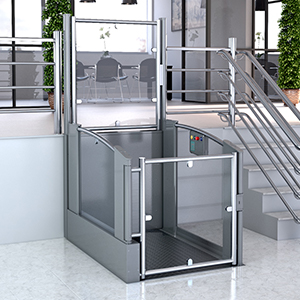
Installing a lift inside a private home is no longer a niche decision limited to luxury estates or high-end residences. It has evolved into a strategic home-planning choice shaped by changing lifestyle needs, long-term mobility considerations, and thoughtful architectural intent. As multi-level living becomes more common, homeowners are increasingly focused on solutions that enhance daily convenience while supporting future accessibility. However, many discover that the residential lift cost is not a fixed or universal figure. Instead, it reflects a combination of technical specifications, design choices, and usage expectations.
Understanding these variables early allows homeowners to align functionality with budget realities.
Design Configuration and Architectural Integration
Design choices play a foundational role in shaping both the technical structure and overall investment required for a residential lift system.
- Cabin size and layout requirements: Larger cabins demand increased material usage, stronger load-bearing structures, and reinforced safety systems. Expanded layouts also require higher-capacity motors and control mechanisms.
- Customization versus standardized design: Customized finishes such as glass walls, premium panels, or tailored interiors increase fabrication complexity. Bespoke designs require additional engineering coordination and longer installation timelines.
- Integration with existing structures: Retrofitting a lift into an existing home often involves modifying floors, walls, or support columns. These adjustments require precise structural assessments and specialized installation techniques.
- Shaft and pit design considerations: Limited ceiling height or shallow pit depth demands specialized lift configurations. Custom engineering solutions are required to maintain safety and smooth operation.
Technology and Drive System Selection
The technology behind a residential lift elevator determines how efficiently, quietly, and reliably it operates within a home environment.
- Hydraulic versus traction systems: Hydraulic systems use fluid-based mechanics, making them structurally simpler to install. They require dedicated space for pumps and fluid components within the home.
- Machine-room-less technology: Machine-room-less designs eliminate the need for separate equipment spaces. Compact drive units improve space efficiency and architectural flexibility.
- Energy efficiency and power management: Intelligent power systems regulate energy use during travel and standby modes. These technologies reduce long-term operational electricity consumption.
- Noise and vibration control mechanisms: Enhanced insulation materials minimize operational noise within living spaces. Motion-control systems stabilize cabin movement during acceleration and stopping.
Usage Patterns and Load Expectations
How a residential lift is used daily significantly influences its engineering requirements and durability standards.
- Frequency of daily use: High-usage residential lifts must withstand repeated operational cycles throughout the day. Components such as motors, cables, and control units are selected for enhanced durability.
- Passenger capacity planning: Lifts designed to carry multiple users demand stronger cabin structures and drive systems. Reinforced motors and load-bearing components ensure smooth and safe operation.
- Future mobility considerations: Long-term planning often includes accessibility features for aging occupants. Adaptable controls, wider entry points, and smooth leveling may be required.
- Operational lifespan expectations: Systems intended for extended service life use premium mechanical and electronic components. Long-term reliability requires higher manufacturing and installation standards.
Conclusion
Residential lift pricing is not determined by a single decision but by a combination of design intent, technological selection, and long-term usage planning. An elevator inside house that aligns with architectural structure, daily needs, and future adaptability delivers more than convenience; it becomes a functional asset within the home.
With a strong focus on safety, precision engineering, and space-efficient systems, ICARE Lifts supports informed decision-making through customized lift solutions designed for private residences. Their approach emphasizes technical clarity, quality installation, and dependable after-sales support, helping homeowners invest confidently in vertical mobility solutions built for lasting value.