
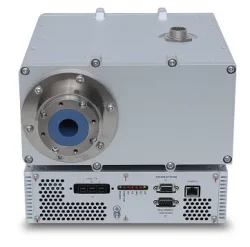
Most people think of X-ray systems in terms of what they reveal: hidden fractures, tiny defects in machinery, air pockets in food products, or subtle inconsistencies in high-value components. But behind the images we see is a layer of technology that rarely gets attention. It does not illuminate bones or expose structural flaws directly, yet it plays a vital role in how sharply and safely those details appear.
This foundation is the power architecture of the X-ray system. Its design, efficiency, and reliability directly influence how well an X-ray device performs. Modern imaging isn’t just about tubes, sensors, and detectors. It’s about the intelligence and stability of the energy source that feeds the entire process.
As industries place greater demands on accuracy, portability, and speed, the power systems behind X-ray devices have been forced to evolve. Today’s most advanced imaging solutions rely on innovations that operate quietly in the background yet make all the difference in the results.
The Hidden Role of Energy Stability in Imaging Accuracy
When an X-ray machine activates, it delivers controlled bursts of energy that must remain consistent from one moment to the next. Small variances can create big problems. A slightly unstable energy pulse can blur fine details, altering how an operator interprets the image. For a doctor diagnosing a fracture or an engineer checking a turbine blade, clarity is everything.
This is why the industry prioritizes well-designed energy regulation. Power systems must be capable of sustaining high loads without overheating, fluctuating, or degrading over time. They need to respond instantly to changes in scanning requirements, adjusting output on the fly while keeping risk low.
One essential component in this process is the high voltage power supply for the x-ray tube, which determines how effectively the tube can generate controlled radiation. The more stable and precise the energy source, the more reliable the output from the tube becomes. This translates to sharper images, better repeatability, and a more efficient workflow across different inspection environments.
Engineering Power Systems for Durability and Longevity
In many industrial settings, X-ray equipment runs for hours at a time. Heavy usage demands power systems that can endure continuous operation without performance decline. Robust insulation, advanced cooling methods, and protective fail-safes all contribute to this resilience.
Durability isn’t just a matter of toughness. It’s a matter of maintaining consistent performance across thousands of cycles. Heat management, voltage resistance, and component design all factor into how long a power system will last. In fields where downtime can halt production, longevity isn’t optional, it’s a core requirement.
Manufacturers now develop power systems with long-view performance in mind. They consider not only how equipment behaves on day one, but also how it will hold up after years of constant scanning. This emphasis on sustainability ensures that users get predictable quality without frequent repairs or replacements.
Why Customization Matters in Modern Imaging
Industries today rely on X-ray technology for vastly different purposes. A food manufacturer scanning sealed packaging has different needs than an airport scanning luggage or an electronics company inspecting micro-solder joints. Because of this, one-size-fits-all power solutions rarely meet the precise requirements of specialized applications.
This is where tailored engineering becomes essential. Customizable modules, flexible voltage settings, adaptable interfaces, and scalable architectures help ensure that X-ray systems can seamlessly integrate into diverse environments. When a device includes a high voltage power supply for an x-ray tube that is specifically configured for its operational demands, it performs more efficiently and produces more reliable results.
For manufacturers who depend on consistent output and minimal downtime, customization becomes a competitive advantage, enabling smoother operations and greater control over quality.
How Smart Control Systems Are Transforming Power Delivery
Another major leap forward is the rise of intelligent power management. Modern X-ray systems often include sensors, internal communication channels, and digital controllers that adjust energy flow based on real-time data. These “smart” features help optimize performance and protect equipment from unexpected stress.
For example, if the system detects a sudden temperature spike, it can reduce output or shut down safely. If it senses an inconsistent load, it can stabilize the current to preserve image quality. This adaptability allows imaging devices to deliver consistent results even under challenging conditions.
As industries move toward automation and remote monitoring, intelligent power platforms will become standard rather than optional. The ability to integrate with digital networks and analytics systems will define the next era of imaging performance.
Efficiency Takes Center Stage
Energy efficiency is now a priority in nearly every industry. X-ray systems, especially those operating for long periods, contribute significantly to overall power consumption. Designing efficient power modules helps reduce operational costs and minimize environmental impact.
Better efficiency does more than lower power bills. It reduces heat, enhances system stability, and contributes to longer component life. Equipment stays cooler, operators experience fewer disruptions, and maintenance becomes more predictable.
In sectors where high-volume scanning is the norm, an efficient power system can result in substantial long-term savings.
The Growing Importance of OEM Collaboration
As imaging technology continues to evolve, many companies look for specialized partners to help develop systems that meet their unique requirements. Collaborating with experienced developers allows manufacturers to integrate advanced imaging capabilities without building everything from scratch.
This is where VJ X-Ray OEM solutions become valuable. OEM partnerships enable organizations to benefit from sophisticated engineering, proven reliability, and flexible customization options that align with their operational needs. These collaborations help shorten development cycles while ensuring that the final product delivers strong performance and long-term stability.
OEM engagement is especially important today as industries shift toward smarter, more compact, and more automated imaging systems.
Conclusion
Behind every crisp, accurate X-ray image lies a sophisticated network of power technologies that quietly shape performance, safety, and efficiency. As industries evolve and demand greater precision, the systems that energize X-ray devices will continue to play an essential role in unlocking new levels of clarity and reliability. For those exploring advanced imaging solutions and innovative system design, VJ X-Ray offers a range of resources and expertise to support the next generation of technological progress.