
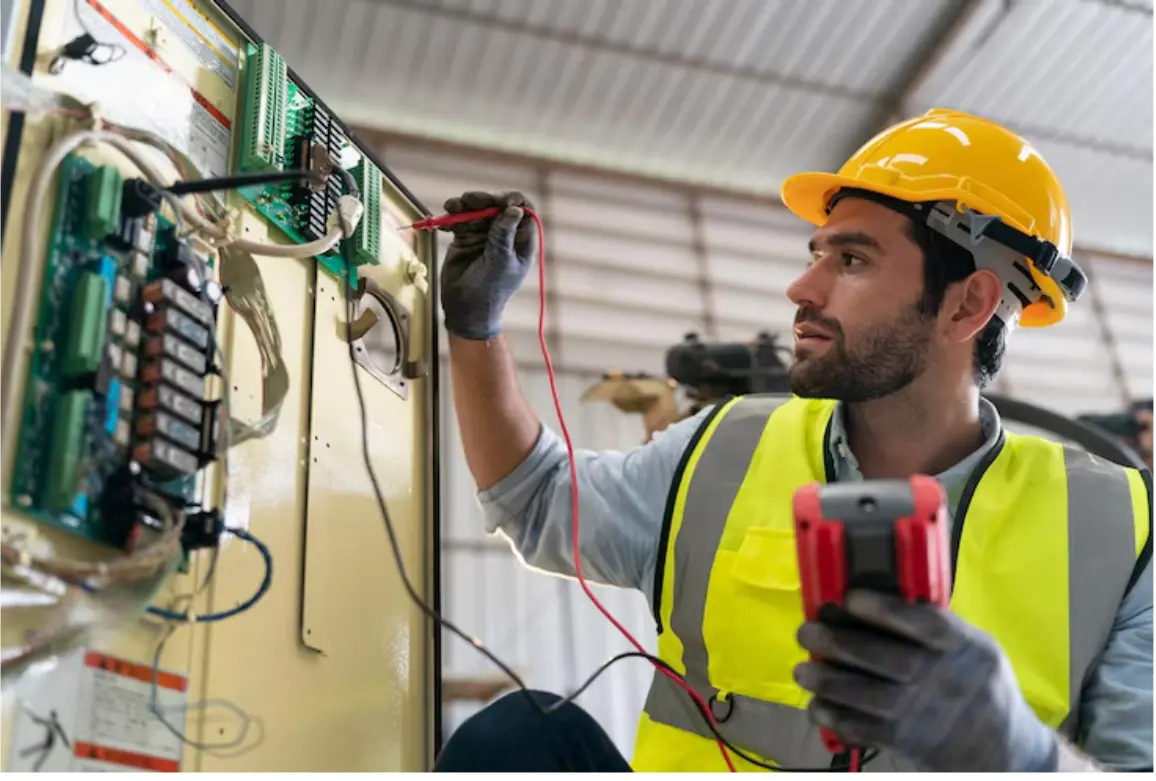
Professionals in the electrical industry benefit greatly from structured Electrical training courses that blend theoretical understanding with real-world practical application. These programmes, offered by leading providers such as All Electrical Training, equip learners with essential knowledge surrounding regulations, safe installation techniques, and diagnostic procedures. Whether you’re working toward your first qualification or seeking refresher training, these courses provide the foundation needed for competent and compliant electrical work.
Understanding Electrical Regulations and Their Practical Application
Modern electrical installations must meet strict safety and performance requirements. Training begins with a detailed exploration of the regulations that govern electrical work, helping learners interpret and apply these rules correctly on-site. Through tutor-led examples and real-life scenarios, candidates learn how regulatory guidance influences circuit design, component selection, protective measures, and inspection standards. This ensures that every installation follows best practice and complies with national wiring regulations.
Developing Strong Fundamentals in Circuit Design and Installation
One of the core strengths of professional Electrical training courses lies in developing practical competence. Learners study the principles behind circuit design, including load calculations, cable sizing, protective device selection, and earthing arrangements. Step-by-step demonstrations show how to carry out installations safely and efficiently, from routing cables and mounting equipment to terminating conductors and verifying continuity. Training also highlights safe working practices, helping technicians adopt habits that reduce risks and improve accuracy.
Mastering Fault Diagnostics Through Hands-On Learning
Diagnosing faults is a critical skill for any electrician, and structured courses place strong emphasis on real-world fault-finding techniques. Participants explore common electrical issues such as short circuits, high resistance connections, insulation breakdown, and tripping faults. By working with test meters and diagnostic tools, learners practice identifying problems methodically and safely. This hands-on approach builds problem-solving confidence and prepares electricians to respond effectively to issues in domestic, commercial, and industrial environments.
Bridging the Gap Between Classroom and Workplace
A major benefit of modern Electrical training courses delivered by All Electrical Training is the focus on practical understanding. Instructors use realistic scenarios, case studies, and demonstrations to show how theoretical knowledge applies to everyday electrical tasks. This ensures learners not only understand the concepts but can also apply them when working on live projects. The training environment is designed to resemble real job-site conditions, helping learners transition smoothly into the workplace.
Conclusion
Structured electrical education is essential for anyone aiming to work safely, confidently, and effectively within the industry. By combining theory, practical skills, and regulatory understanding, Electrical training courses provide a robust foundation for both new entrants and experienced professionals. With expert guidance from All Electrical Training, learners gain the competence required to carry out compliant installations, resolve faults efficiently, and excel across a wide range of electrical environments.